Why You Shouldn't Shave Your Pit Bull, Bulldog, French Bulldog, or Other Short-Coated Breeds to Stop Shedding
If you've ever looked at the tumbleweeds of dog hair rolling across your floor and thought, "Maybe I should just shave my dog," you're certainly not alone.
It's one of the most common questions groomers hear from owners of Pit Bulls, Bulldogs, French Bulldogs, Labrador Retrievers, Boxers, Beagles, Pugs, and other short-coated breeds.
It seems logical. Less hair on the dog should mean less hair around the house...right?
Unfortunately, that's not how shedding works.
Why People Think Shaving Will Stop Shedding
When owners see hair everywhere, it's easy to assume the length of the coat is the problem.
If you cut the hair shorter, there should be less of it to clean up.
The reality is that shedding doesn't happen because the hair is too long. Dogs shed because old hairs naturally fall out and are replaced by new ones as part of the normal hair growth cycle.
Whether the hair is one inch long or one-eighth of an inch long, it's still going to shed.
The only difference is the length of the individual hairs you find around your home. And as a shaved dog is still de-shed during the process the heavier shedding for EITHER a haircut or a de-shed service actually resumes at the same time either way requiring a trip to your groomer.
Short Hair Still Sheds
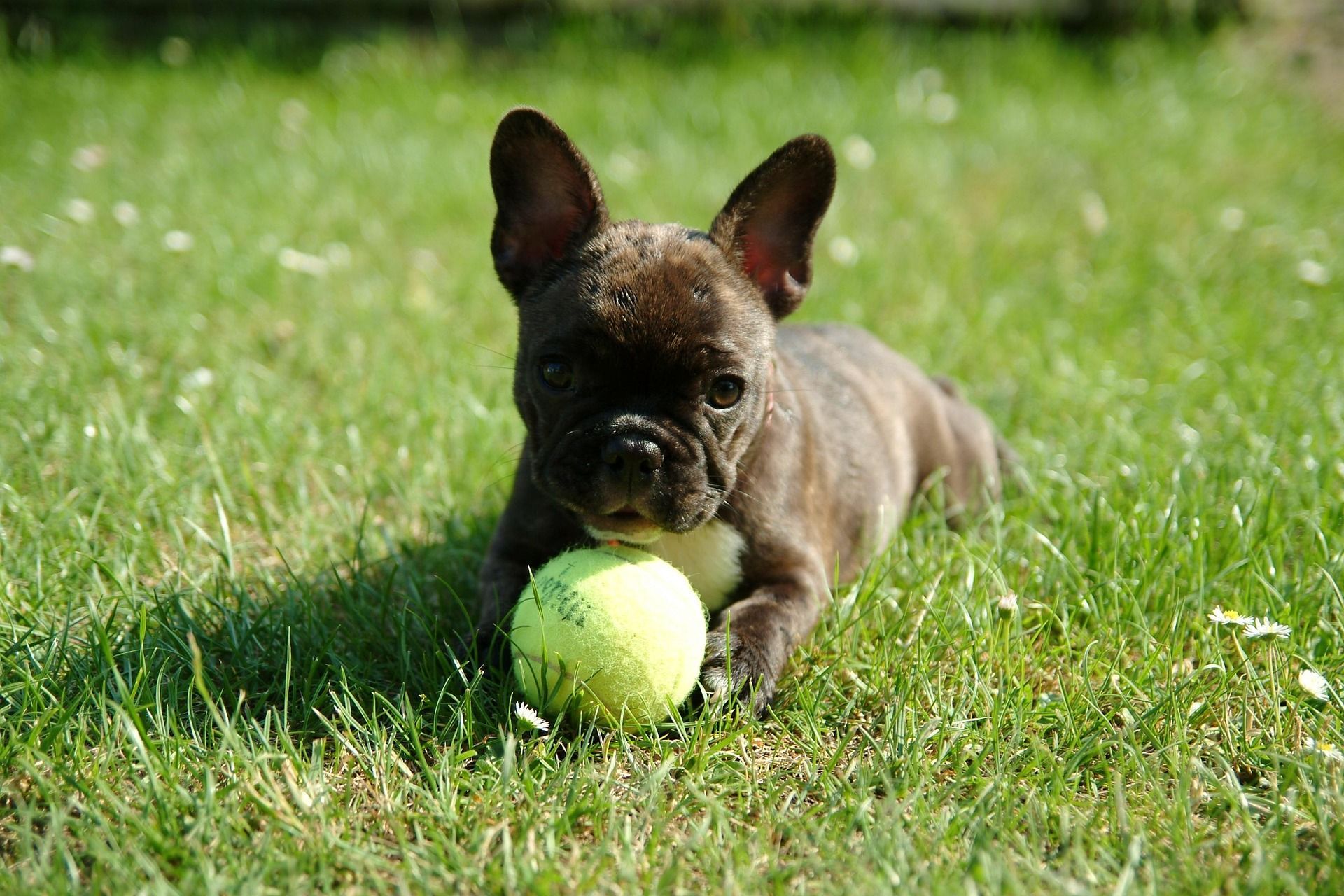
In fact, many short-coated breeds seem to shed even more than long-coated dogs.
Anyone who's owned a Labrador Retriever, Pit Bull, Pug, or
French Bulldog
knows those short, stiff hairs have an incredible ability to weave themselves into clothing, furniture, blankets, and even car upholstery.
Long-haired dogs often shed too, but much of that loose coat gets trapped in the surrounding hair until it's brushed out.
Short-coated dogs don't have that luxury. Their loose hairs simply fall away, landing wherever your dog happens to be.
That's why shaving a short-coated breed rarely produces the result owners are hoping for.
The dog continues shedding exactly as before—only now the hairs are shorter.
Shaving Doesn't Change the Hair Growth Cycle
A haircut only changes the length of the hair that's already there.
It doesn't affect the hair follicles beneath the skin, and it doesn't stop new hairs from growing or old hairs from falling out.
Think of it like getting your own hair cut.
After visiting the salon, your hair continues growing exactly as it did before. It doesn't stop growing just because it's shorter.
Dogs work the same way.
Shaving changes appearance, not biology.
There Can Be Downsides to Shaving
For many short-coated breeds, shaving provides little benefit while creating a few potential drawbacks.
The coat offers a layer of protection against infection, minor scrapes, sun exposure, and the environment. Removing that protection can leave the skin more vulnerable, especially during
hot Las Vegas summers when pavement, sidewalks, and outdoor temperatures can become extreme.
Some dogs may also develop irritation or clipper sensitivity after being shaved unnecessarily. They may be more prone to infections due to irritated or exposed hair follicles.
Unless shaving is medically necessary, has a direct affect on the actual comfort of the pet or recommended for another reason, it usually isn't the best solution for managing normal shedding.
What Actually Helps Reduce Shedding?
If shaving isn't the answer, what is?
The most effective way to reduce shedding is by removing loose hair
before it ends up on your furniture, clothing, and floors.
Professional grooming is one of the best ways to accomplish that. A thorough bath, proper high-velocity drying, and
de-shedding tools remove a surprising amount of loose coat that's already ready to come out.
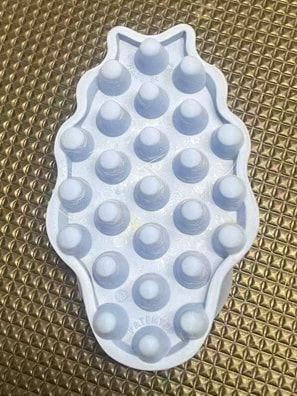
Regular brushing at home also makes a big difference. For many short-coated breeds, a
rubber curry brush
works exceptionally well because it loosens dead hair while gently massaging the skin and helping distribute the coat's natural oils.
Keeping your dog on a consistent grooming schedule throughout the year usually produces far better results than reaching for the clippers.
Things like diet, omegas and environmental allergies or underlying health issues can also contribute to heavier shedding.
Breeds That Shouldn't Be Shaved Just to Reduce Shedding
While every dog is an individual, shaving simply to reduce shedding is generally not recommended in the slightest for many short-coated breeds, including:
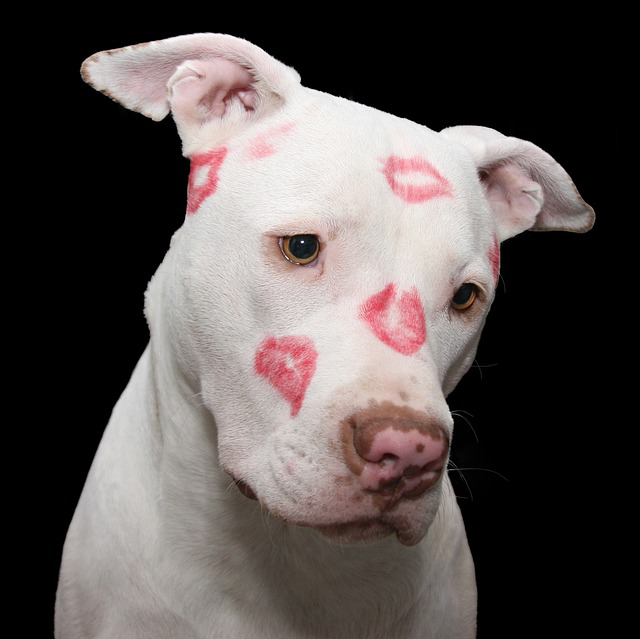
- Pit Bull
- American Staffordshire Terrier
- French Bulldog
- Bulldog
- Boxer
- Pug
- Boston Terrier
- Labrador Retriever
- Beagle
- Doberman Pinscher
- Great Dane
- Weimaraner
- Vizsla
- Chihuahua
- Rat Terrier
- Jack Russell Terrier
- Miniature Pinscher
These breeds naturally have super short flat coats. Since the hair is already close to the body, shaving usually provides little or no benefit for shedding and poor reactions and infections are more common than you would think, Not because the groomer did anything wrong but because that type of coat was shaved when it was never intended to be.
When Is Shaving Appropriate?
There are times when shaving is absolutely the right choice.
A veterinarian may recommend clipping a dog for surgery or medical treatment. Certain skin conditions may also require the coat to be clipped so medication can be applied properly.
Some dogs with
severe matting, regardless of breed, may also need portions of the coat clipped or a complete haircut for their comfort or health.
Those situations are very different from shaving a healthy short-coated dog simply because they're shedding.
The Bottom Line
If your Pit Bull, French Bulldog, Bulldog, Boxer, Pug, or other short-coated companion is filling your house with hair, resist the temptation to solve the problem with clippers.
Shaving doesn't stop shedding because it doesn't change the natural hair growth cycle.
Instead, invest in
regular professional grooming, brush your dog routinely with the proper tools, and keep them on a consistent grooming schedule. You'll remove far more loose hair than shaving ever could, while keeping your dog's skin and coat healthier in the process.
If shedding is becoming excessive or suddenly increases, it's always worth discussing the change with your veterinarian to rule out underlying medical conditions. But for the average healthy short-coated dog, the solution isn't a shorter haircut, it's better coat maintenance.