Dog Breed Spotlight - The French Bulldog
Dog Breed Spotlight: The French Bulldog
This is a breed VERY near and dear to this author/groomer's heart.
Meet the French Bulldog
French Bulldogs have exploded in popularity over the last decade or so, and it's easy to understand why. Their oversized bat ears, expressive faces, clownish personalities, and compact size have won over families around the world. They're affectionate, endlessly entertaining, and seem to possess an uncanny ability to become the center of attention wherever they go.
If you're looking for a quiet, eager-to-please companion that hangs on your every command, however, this probably isn't the breed for you. French Bulldogs are intelligent, independent, stubborn, and completely convinced that their ideas are usually better than yours. Fortunately, they make up for it with enough personality to keep you laughing for years.
Breed History
Despite their name, French Bulldogs actually originated in England, not France. Their story began in the mid-1800s after bull-baiting was outlawed in England in 1835, when breeders began developing smaller Toy Bulldogs better suited for companionship than blood sports. During the Industrial Revolution, many Nottingham lace workers relocated to northern France, taking their little Bulldogs with them. There, the dogs were crossed with local ratting dogs and other small breeds, gradually developing the distinctive bat ears, compact build, and affectionate personality we recognize today.
Originally, these little dogs served two purposes. They were treasured companions for the lace workers while also helping keep homes and workshops free of rats and mice. As their popularity spread from working-class neighborhoods to Parisian cafés, artists, and high society, the breed became known as the Bouledogue Français before eventually making its way to America in the 1880s.
That ratting heritage also helps explain a few things about the modern French Bulldog. Although they're no longer expected to hunt vermin, many still retain the boldness, determination, confidence, and terrier-like intelligence and attitude that made them effective little ratters. It's one of the reasons Frenchies often seem to have no idea they're small, why they can be surprisingly stubborn, and why they aren't always the social butterflies some people expect them to be around other dogs.
Personality and Temperament
Life with a French Bulldog is rarely boring.
Frenchies seem to have only two speeds. They're either asleep so soundly you find yourself checking on them, or they're tearing through the house at what feels like two hundred miles an hour because someone picked up a toy, opened the refrigerator, or dared to ring the doorbell. Moderation simply isn't part of their vocabulary. OR they may be busy entertaining that high-powered brain and figuring out everything you hoped they wouldn't if left to their own devices for too long.
French Bulldogs thrive on attention. This is probably THE key insight into understanding the true French Bulldog. It's always all about them. They genuinely enjoy being involved in everything their family does.
Cooking dinner? They're supervising.
Folding laundry? They're helping...whether you asked for help or not.
Trying to use the bathroom alone? Good luck with that.
They also have an incredible sense of humor. Whether they're making ridiculous facial expressions, carrying around a toy twice their size, or proudly showing off something they definitely weren't supposed to have, French Bulldogs have an amazing ability to make people laugh. Which, of course, gets them even more attention.
Living with a French Bulldog
There are a few things French Bulldog breeders don't always mention to first-time owners.
One of them involves the other end of the dog.
Because of their compact build and tightly curled screw tails, many French Bulldogs simply can't clean themselves very well after going to the bathroom. It isn't glamorous, but keeping pet wipes handy and checking beneath the tail regularly can help prevent irritation, infection, and some very unpleasant odors.
Consider yourself warned.
French Bulldogs are also champion snorers. With that flat face, they grunt, snort, snore, sigh, and make enough strange noises to convince visitors there's a small pig living somewhere in the house.
And then they fart.
Despite their stubborn streak, they're incredibly devoted to their families and generally want to be wherever their favorite people happen to be. Don't expect much privacy. French Bulldogs firmly believe every room in the house should include them.
Training and Social Behavior
French Bulldogs are intelligent enough to learn just about anything.
Whether they feel like doing it is another matter entirely.
Training should always be consistent, positive, and patient. They respond much better to praise and making training enjoyable and a game than they ever will to force or harsh corrections. However, it is important to understand that, to most Frenchies, ALL attention is good attention. Even when you're hopping mad, they're STILL the center of attention. Frenchies don't like to do much of anything unless they see something in it for themselves.
With their extremely sensitive stomachs, digestive systems, and tendency toward allergies, they are often on pretty strict diets, so treats should be given in moderation. They also aren't nearly as motivating or behavior-shaping to the average Frenchie as enthusiastic praise and positive attention.
Prospective owners should also understand that French Bulldogs are generally bold, confident little dogs. They are not a breed that should automatically be assumed to enjoy the company of every dog they meet or even get along well with dogs they already know. While training and appropriate, controlled social experiences help teach good manners, they do not change inherited temperament.
French Bulldogs often have far more confidence than their size would suggest and may be unwilling to back down if conflict occurs. Don't assume your French Bulldog needs a dog park to be happy or that, simply because they're small, they'll get along with every dog they encounter. They like to establish themselves as "the big man" at the dog park or daycare and, being pretty selfish by nature, they don't always react kindly to other dogs touching...well...anything, because in their minds, it's theirs.
Many are perfectly content being the only dog in the household or living with established canine housemates under the supervision of the family leader. Introductions to unfamiliar dogs should always be made thoughtfully and under control.
Understanding and respecting the breed's naturally more terrier-like temperament is one of the best ways to help keep everyone safe.
Grooming Requirements
One of the biggest misconceptions about French Bulldogs is that their short coat makes them low maintenance. Nothing could be further from the truth. While they don't require regular haircuts, they absolutely require extensive brushing, routine professional grooming, and a good home maintenance routine to keep the shedding under control.
French Bulldogs shed...A LOT.
If you're looking for a dog that leaves very little hair around the house, a Frenchie probably isn't the breed for you. Regular brushing removes loose hair before it ends up on your furniture, clothing, and floors, while professional de-shedding baths every four to eight weeks can make a tremendous difference in keeping that coat under control.
Good nutrition also plays an important role in maintaining healthy skin and coat. Feeding a high-quality diet and discussing omega fatty acid supplements with your veterinarian can often improve skin and coat quality while helping minimize excessive shedding.
One thing you should never do is shave your French Bulldog to reduce shedding. It simply doesn't work. The hair will continue to shed, and the coat helps protect the skin while providing insulation from both heat and cold.
Because French Bulldogs are so commonly affected by allergies and sensitive skin, ask your groomer to use fragrance-free, hypoallergenic shampoos whenever possible. Skip the perfumes and finishing colognes altogether. A simple de-shedding bath using gentle products is usually the best choice for this sensitive breed.
Those adorable facial wrinkles require regular attention as well. Moisture, food, and debris can collect within the folds, creating the perfect environment for irritation or infection. Keeping the wrinkles clean and dry should become part of every owner's routine.
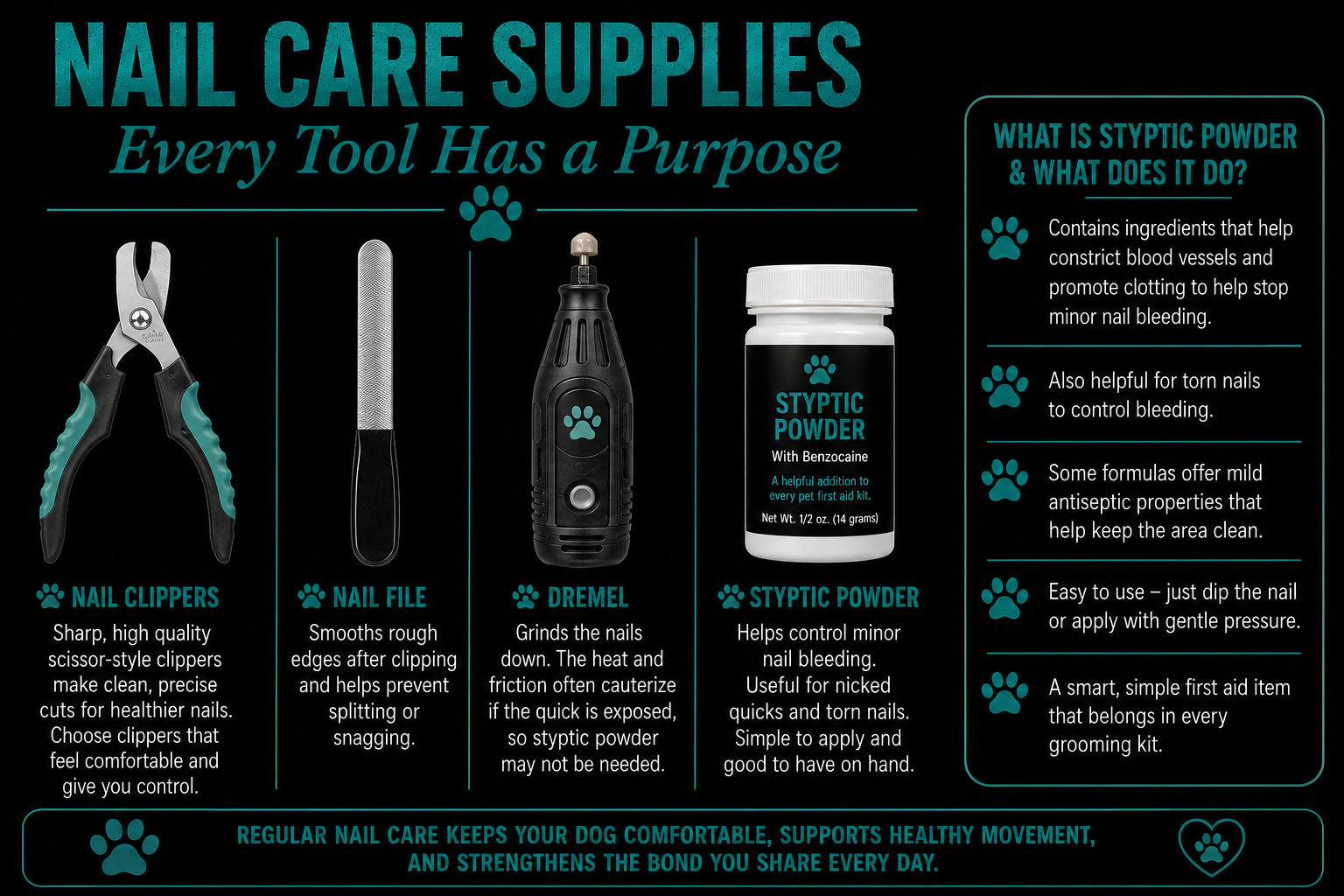
Don't forget the ears. Those famous bat ears allow excellent air circulation, but they still need to be checked regularly for dirt, excess wax, or signs of infection. Nail trimming is equally important. Long nails affect the way a dog stands and walks and can eventually contribute to discomfort and orthopedic issues.
Professional grooming isn't just about making your French Bulldog look nice and reducing the amount of hair they shed around your house. It's also an opportunity to monitor the skin, ears, nails, coat, and overall condition while catching small problems before they become much larger ones.
Health Considerations
French Bulldogs are wonderful companions, but they are not a breed prospective owners should purchase without understanding their potential health concerns. Many live long, happy lives, but responsible breeding, appropriate health testing, and preventative care are incredibly important in this breed.
Because they are a brachycephalic, or flat-faced, breed, many French Bulldogs are affected by Brachycephalic Obstructive Airway Syndrome (BOAS). Their shortened skull structure can make breathing more difficult, particularly during exercise, excitement, or hot weather. While some French Bulldogs breathe quite well, others may eventually require medical or surgical intervention to improve their quality of life.
French Bulldogs are also well known for allergies and immune-related disorders. Environmental allergies, food sensitivities, chronic ear infections, itchy skin, inflamed paws, and recurring skin infections are unfortunately common within the breed. Some Frenchies spend years working with their veterinarian to find the right combination of diet, medication, and environmental management to keep them comfortable.
Because of their prominent eyes, French Bulldogs are also more susceptible to painful corneal ulcers and eye injuries than many other breeds. Squinting, excessive tearing, redness, cloudiness, or holding an eye closed should always be treated as a reason to contact your veterinarian promptly.
One of the most misunderstood health concerns in French Bulldogs is the spine. The breed's signature screw tail is actually part of the spine and is itself a form of hemivertebrae, or malformed vertebrae. In fact, hemivertebrae and other vertebral abnormalities are more common than not in the breed. Finding them on X-rays is not automatically a reason to panic, and many French Bulldogs live perfectly normal, active lives with spinal changes that never cause clinical problems.
The important question isn't simply whether vertebral abnormalities exist. It's whether they are severe enough to affect the spinal cord, mobility, comfort, nerve function, or overall quality of life. Unfortunately, some French Bulldogs do develop significant spinal disease at a very young age, resulting in chronic pain, weakness, loss of coordination, paralysis, or even the heartbreaking decision to euthanize a young dog. This is one of the reasons responsible preservation breeders place such importance on spinal health and why prospective owners should never hesitate to ask breeders about the spinal history of their bloodlines, what health testing has been performed, and whether there have been dogs that developed significant back problems early in life.
French Bulldogs are also predisposed to Intervertebral Disc Disease (IVDD), which can occur suddenly and become a true medical emergency. Any French Bulldog that suddenly cries out in pain, becomes weak, wobbly, drags a foot, loses coordination, or is unable to stand or walk normally should receive immediate veterinary attention.
The breed's natural structure also means hip dysplasia and luxating patellas are not uncommon and are frequently present from birth. Again, the question is not simply whether these conditions exist in this breed, but whether they are severe enough to affect the dog's comfort, mobility, and quality of life.
Heart disease is another condition responsible breeders work diligently to reduce through careful health testing and thoughtful breeding decisions.
Reading this list may sound intimidating, but it doesn't mean every French Bulldog will experience these problems. Many never do. It does, however, reinforce why choosing a responsible preservation breeder is one of the most important decisions you'll make. A breeder who is open about the health of their bloodlines and performs appropriate health testing is giving your future puppy the best possible start in life. Considering the potential cost of treating many of these conditions, pet insurance is also well worth considering while your French Bulldog is still young and healthy.
French Bulldogs and Heat Don't Mix—Sometimes Humidity Too
French Bulldogs and hot weather are a dangerous combination. Their shortened airways make it much harder to cool themselves, allowing them to overheat far more quickly than many other breeds.
Every French Bulldog owner should know the signs of heat stroke before they ever need to recognize them. If your Frenchie begins struggling to breathe, collapses, becomes disoriented, or shows signs of overheating, treat it as a true medical emergency.
Many experienced Bulldog and French Bulldog breeders carry a summer heat emergency kit that includes lemon juice. As an overheated French Bulldog struggles to breathe, thick mucus and foam can rapidly build up in the throat, making an already compromised airway even worse. A small squirt of lemon juice can help cut through that mucus while you're actively cooling your dog and heading immediately to the nearest emergency veterinary hospital.
Lemon juice is first aid, not a cure. Its purpose is to help keep the airway as clear as possible while buying precious time on the way to emergency veterinary treatment.
If you'd like to learn more about preventing, recognizing, and treating heat stroke, be sure to read my complete article dedicated to this life-threatening emergency.
Choosing a Responsible Breeder
One of the biggest decisions you'll make isn't what color French Bulldog you want or whether you prefer a male or female. It's choosing where your puppy comes from.
A responsible preservation breeder should be happy to discuss the health testing performed on their breeding dogs, explain why they selected a particular breeding, and answer your questions honestly. They should also be just as interested in learning about you as you are about them. Responsible breeders care deeply about where their puppies spend the rest of their lives and remain a resource long after you bring your puppy home.
If someone always has puppies available, advertises multiple "rare" colors, refuses to discuss health testing, cannot provide documentation, or seems more interested in collecting a deposit than educating prospective owners, it's worth slowing down and asking more questions.
A well-bred puppy is worth waiting for.
French Bull Dog Club of America Breeder Referral
https://frenchbulldogclub.org/breeders/
Rescue Is Another Wonderful Option
Not every French Bulldog begins life under ideal circumstances. Every year, wonderful Frenchies find themselves needing new homes because of changes in their owner's life, unexpected medical expenses, or other situations that have nothing to do with the dog itself.
Breed-specific rescue organizations work tirelessly to provide veterinary care, evaluate each dog's temperament, and match them with families that understand the unique needs of the breed.
Adopting an adult French Bulldog can be an incredibly rewarding experience and is well worth considering if you're open to giving a deserving dog a second chance.
French Bull Dog Club of America Rescue Organizations
https://frenchbulldogclub.org/rescue/
The "Rare Color" Trend and Fad Breeding Is Hurting the Breed
French Bulldogs have become one of the most popular breeds in the country, and unfortunately, that popularity has come at a price. Social media is flooded with advertisements for "rare," "exotic," and "designer" French Bulldogs in fad colors that responsible preservation breeders simply are not trying to produce.
The French Bull Dog Club of America, the official parent club recognized by the American Kennel Club, has established a breed standard that responsible preservation breeders work hard to protect. Their goal is to preserve the breed by producing healthy, structurally sound French Bulldogs with excellent temperaments. They are not breeding for whatever color happens to be fashionable or brings the highest price.
The color itself isn't what causes health problems.
The real concern is that the tremendous demand for fad colors has fueled an explosion of backyard breeders and puppy mills that often place little emphasis on health testing, pedigree research, sound structure, temperament, or the long-term future of the breed. Responsible preservation breeders work to improve French Bulldogs. Irresponsible breeders often work to satisfy a market.
While not every fad-colored French Bulldog will have serious health problems, and not every standard-colored French Bulldog will be perfectly healthy, careful preservation breeding and comprehensive health testing remain the best tools we have for reducing inherited disease within the breed.
If you're shopping for a French Bulldog, don't start by asking what colors are available.
Start by asking about health testing.
This is more than a vet exam.
Ask about the parents, the grandparents, and the great-grandparents.
Ask about the health and longevity of the breeder's bloodlines. The cute puppy in front of you has more contributions to its future than just "Mom" or "Dad," and it's frequently their parents that have a lot to do with how that cute puppy turns out in the future.
Ask why the breeding was planned.
Ask whether the breeder follows the recommendations of the French Bull Dog Club of America.
Those answers will tell you far more about your future puppy than the color of its coat ever will.
Helpful Resources
French Bull Dog Club of America
https://frenchbulldogclub.org/
FBDCA Resources (Recommended Reading)
https://frenchbulldogclub.org/resources/
French Bull Dog Club of America Breeder Referral
https://frenchbulldogclub.org/breeders/
French Bull Dog Club of America Rescue Organizations
https://frenchbulldogclub.org/french-bulldog-rescue-organizations/
Nevada SPCA
https://nevadaspca.org/
The Animal Foundation (Las Vegas)
https://animalfoundation.com/
Las Vegas Bulldog Club Rescue Information
https://lasvegasbulldogclub.com/rescue/
Final Thoughts
French Bulldogs have earned their popularity for good reason. They're funny, affectionate, intelligent, endlessly entertaining, and full of personality. They also require owners who understand the realities of the breed, from their grooming needs and stubborn nature to the importance of responsible breeding and preventative healthcare.
If you're willing to invest the time to care for them properly and choose your breeder carefully, a French Bulldog can be one of the most rewarding companions you'll ever have.
Just don't expect them to admit you're the one in charge.
Recent Posts