
Las Vegas Heat and Your Pet: Emergency First Aid for Heat Stroke
Living in Las Vegas means we're no strangers to scorching summers. But while we can duck into air conditioning or grab an icy drink, our pets are far more vulnerable to heat related illness. Heat stroke in dogs can happen in minutes and for certain breeds like Pugs, Bulldogs, and Shih Tzus, the risk is even higher.
In this post, we'll walk you through how to spot heat stroke, what to do in an emergency, and how to create a pet heat stroke first aid kit including a lesser known lifesaving tip for brachycephalic ("smash face") breeds.
Why Las Vegas Heat is So Dangerous for Pets
In the Mojave Desert, summer temperatures can easily top 110°F. Unlike humans, dogs and cats don't sweat across their bodies, they cool themselves primarily through panting and cooler air that circulates through their layers of coat. On hot days, panting simply isn't enough to keep up, especially for:
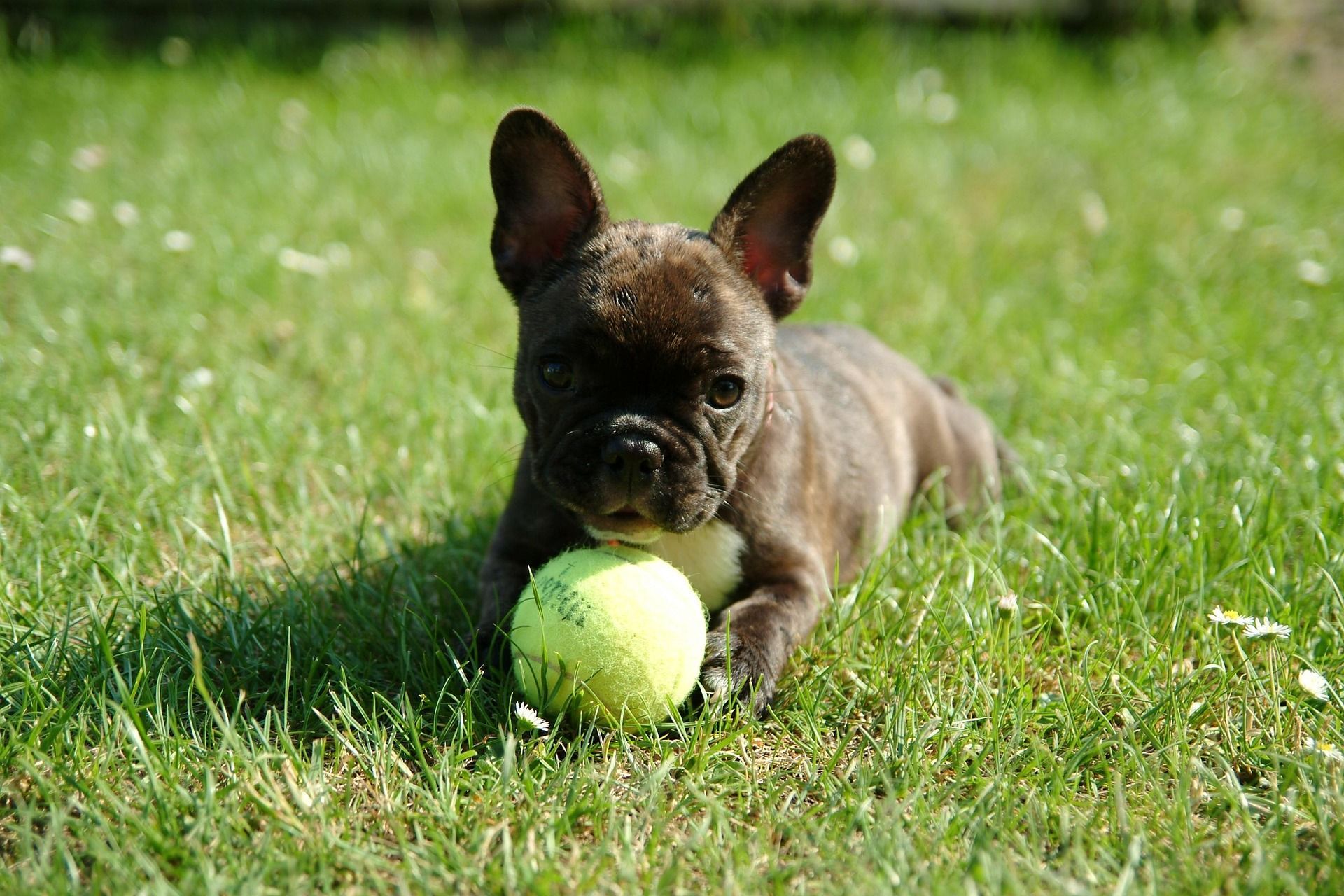
- Brachycephalic breeds (Pugs, French Bulldogs, English Bulldogs, Shih Tzus, Boston Terriers)
- Overweight pets
- Older pets or those with health issues
- Dark-coated animals, which absorb heat faster
Even brief exposure like a short walk on asphalt or time in an unshaded yard can lead to dangerous overheating.
Signs of Heat Stroke in Dogs & Cats
Watch closely for early symptoms. The faster you recognize heat stress, the better your pet's chances.
Early Warning Signs
- Excessive panting or difficulty breathing
- Bright red gums and tongue
- Drooling or thick, sticky saliva
- Lethargy, confusion, or unsteady walking
Severe Signs (Emergency!)
- Vomiting or diarrhea (possibly with blood)
- Collapse or inability to stand
- Seizures
- Unresponsiveness
If you see any severe signs, treat it as a life-threatening emergency.

Emergency First Aid for Heat Stroke
While your first step should always be to head straight to the nearest veterinary clinic, immediate action while on the way there can save your pet's life.
Do This While in Transit to the Vet
- Move your pet to a cool, shaded area or into an air conditioned car.
- Begin cooling immediately:
- Wet your pet with cool (not ice cold) water especially on the belly, armpits, and paws.
- Use a fan to increase evaporation.
- Offer small amounts of cool water but don't force them to drink.
- For brachycephalic breeds, if they appear to be struggling with airway swelling, a small amount of lemon juice (a few drops on the tongue) may help break up thick mucus and open the airway just enough until you reach the vet. (This is a short-term aid, not a cure and should never replace veterinary care.)
Build Your Pet Heat Stroke First Aid Kit
Having a dedicated kit in your home and car can make a huge difference.
Include:
- Digital thermometer (for pets, normal is 100–102.5°F)
- Spray bottle filled with cool water
- Instant cold packs (wrapped in a towel for use)
- Small battery powered fan
- Absorbent towels
- Bottled water
- Collapsible water bowl
- Small container of lemon juice (for brachycephalic breeds)
- Emergency vet contact list and directions
Prevention is Always Best
While first aid is critical, preventing heat stroke should be every Las Vegas pet parent's priority:
- Walk pets early in the morning or after sunset.
- Avoid hot asphalt it can burn paws in seconds.
- Provide constant shade and fresh water outdoors.
- Never leave pets in a parked car not even for "just a minute."
Bottom Line
Las Vegas summers are no joke, and heat stroke can kill quickly. Recognize the signs, keep a first aid kit ready, and always seek veterinary help immediately. For brachycephalic breeds, those few drops of lemon juice could help buy precious time—but nothing replaces fast, professional care.