Why Shaving Your Coated Dog Isn't the Best Option And Doesn't Keep Them Cooler
1. Double Coats Are Designed to Protect
A double coat isn't just there to keep a dog warm during the winter. The dense undercoat and protective guard hairs work together to help regulate body temperature while shielding the skin from direct sunlight, insect bites, and everyday environmental hazards.
Removing the guard coat through shaving takes away much of that natural protection and leaves the skin far more vulnerable to sunburn and irritation.
2. Coat Regrowth Problems
One of the biggest problems groomers see after shaving a double-coated breed is poor coat regrowth.
The soft undercoat often grows back much faster than the protective guard hairs. The result can be a coat that grows in unevenly, feels coarse or woolly, mats more easily, and may never return to its original texture. Some dogs experience permanent coat damage, especially after repeated shaving. Poor regrowth can also be a sign of a health issue affecting hair growth. It is not uncommon for a dog to look normal after shaving years but then it grows back poor and patchy. This should be taken as a sign to investigate any underlying health issues which may be the main cause.
3. Shaving Doesn't Fix the Real Problem
Many owners believe shaving will make a thick-coated dog cooler because there's "less hair."
In reality, what's making many of these dogs uncomfortable isn't the length of the coat.
It's the loose, impacted undercoat trapped underneath.
A thorough de-shedding treatment removes that dead undercoat while leaving the protective outer coat intact. This allows better airflow through the coat without sacrificing its natural protection.
Let me also break down why people think shaving reduces shedding.
In order to shave a dog the undercoat is removed. The shedding continues. The higher shed rate resumes at the same time as the hair grows back whether or not the pet was shaved. So... grooming is needed at again ON THE SAME SCHEDULE whether the pet is shaved or a bath and de-shed service was performed. The de-shed is just the better, healthier, more comfortable option for the pet and coat integrity in MOST cases. On much rarer occasions shaving may be determined to be the best option due to impacted matted coat or some health issues but never to keep a dog cooler.
The Better Solution: Regular De-Shedding
1. Use the Right Tool
Removing loose undercoat requires more than a quick brush.
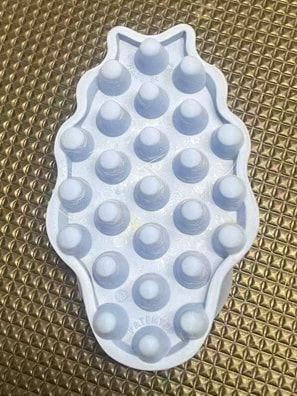
Undercoat rakes, slicker brushes, high-velocity dryers, shedding tools, and other professional grooming equipment are designed to remove dead undercoat without damaging the healthy guard hairs.
Using the wrong tool or brushing too aggressively can damage the coat just as easily as shaving.
2. Technique Matters
Proper de-shedding isn't simply brushing the top of the coat.
Working in small sections from the skin outward allows loose undercoat to be removed without unnecessarily pulling healthy coat. Even weekly maintenance at home can dramatically reduce shedding, improve airflow, and help prevent impacted undercoat.
3. Beat the Heat, Not the Fur
Removing loose undercoat allows air to circulate closer to the skin while preserving the coat's natural protection from the summer sun.
Regular brushing also removes dirt, loose hair, and debris while helping distribute natural skin oils throughout the coat.
For most healthy double-coated breeds, that's exactly what they need during the hottest months of the year, not a shave.
Examples of Summer Grooming for Popular Double-Coated Breeds
-German Shepherds: Regular de-shedding is one of the best things you can do for a German Shepherd during the summer. Their dense undercoat sheds heavily, and removing that loose hair helps keep the coat lighter and more comfortable without sacrificing the protective guard hairs.
-Border Collies: Border Collies benefit from routine de-shedding to remove loose undercoat while preserving their beautiful outer coat. Shaving can interfere with the coat's natural protection and may result in uneven regrowth.
-Australian Shepherds: Australian Shepherds experience heavy seasonal coat blow-outs. Regular brushing and professional de-shedding treatments help remove dead undercoat far more effectively than clippers ever will.
-Golden Retrievers: Goldens are famous for shedding, especially during seasonal coat changes. A thorough de-shedding treatment helps remove loose undercoat, improves coat condition, and can significantly reduce the amount of hair left around your home.
-Labrador Retrievers: Many owners don't realize Labradors have a dense double coat. Professional de-shedding removes the loose undercoat while preserving the healthy outer coat that helps protect the skin.
-Siberian Huskies: Huskies naturally "blow" their undercoat, often releasing handfuls of fur during shedding season. Professional de-shedding is designed for exactly this purpose. Shaving usually creates more problems than it solves.
-Shetland Sheepdogs (Shelties): Their beautiful double coat requires regular brushing and de-shedding to prevent impacted undercoat. Shaving removes the protective guard hairs and exposes the skin to unnecessary sun and environmental damage.
Bonus Tips for a Cool, Comfortable Summer
Keep Fresh Water Available
Regular grooming helps your dog stay comfortable, but it doesn't replace the basics. Always provide plenty of cool, fresh water.
Provide Shade
If your dog spends time outdoors, make sure they always have access to shade or a cool place to escape the sun.
Know When to Stay Inside
During extreme heat, limit walks and outdoor activities to the early morning or evening hours. Hot pavement can burn paw pads in seconds, and heat stroke can develop quickly. It can also blister and burn exposed pads.
Watch for Skin Problems
If your dog's shedding seems excessive, patchy, or is accompanied by redness, odor, hair loss, or irritation, schedule a visit with your veterinarian. Underlying skin conditions, allergies, or parasites may require medical treatment rather than grooming alone.
Grooming Is More Than Looking Good
Regular brushing and professional grooming aren't just cosmetic. They help remove loose undercoat, prevent mats, improve coat condition, reduce shedding around the house, and give your groomer the opportunity to spot potential skin or coat problems before they become more serious.
Bottom Line
For double-coated breeds like German Shepherds, Border Collies, Australian Shepherds, Golden Retrievers, Labrador Retrievers, Siberian Huskies, and Shelties, shaving may seem like the logical solution to summer heat, but it usually creates more problems than it solves. And it most definitely does not keep them cooler, it removes their built in cool off protection instead.
A thorough de-shedding treatment removes the loose undercoat that's no longer serving your dog while preserving the protective guard hairs that nature designed for the job.
If you're trying to help your dog stay cooler this summer, skip the shave and invest in regular brushing and professional de-shedding instead. Your dog's coat, skin, and overall comfort will thank you.